These changes in body composition should be taken seriously by seniors and their family members.
According to Harvard, adults lose 1-2% of their muscle mass after the age of 35. That rate of loss accelerates when an adult turns 60, increasing to as much as a 3% loss of muscle mass annually.
The rate of decline often accelerates later in life if strength training and physical activity are lacking. This age related loss of muscle, known as sarcopenia, affects millions of older Americans and is one of the leading causes of weakness, reduced mobility, and loss of independence.
The good news is that muscle can be maintained and even rebuilt with regular exercise, proper nutrition, and consistent movement.
Understanding Muscle Loss After Age 60
One of the most common questions older adults ask is, "Why do seniors lose muscle after 60?"
Several factors contribute to muscle loss after age 60, including reduced physical activity, lower protein intake, hormonal changes, recovery from illness, and spending more time sitting. While some muscle loss is a normal part of aging, inactivity often speeds up the process.
Another common question is, "How much muscle do you lose after age 60?" Although everyone ages differently, researchers have found that muscle loss can continue at a faster pace later in life without regular strength training and healthy lifestyle habits.
Signs of Muscle Loss in Seniors You Should Not Ignore
The first signs are often easy to dismiss because they develop gradually. If you recognize any of these signs of muscle loss in seniors, it may be time to talk with your healthcare provider and begin a safe strength training program.
1. Everyday Activities Feel Harder
One of the earliest signs is struggling with tasks that once felt easy.
You may notice:
- Getting out of a chair is more difficult.
- Carrying groceries takes more effort.
- Household chores leave you tired.
- You avoid activities that require physical effort.
These are often among the first signs of muscle loss.
2. You Feel Less Steady While Walking
Healthy muscles in your legs, hips, and core help keep you balanced.
If you find yourself holding onto furniture, avoiding stairs, taking shorter steps, or feeling less confident on uneven ground, these may be important signs of muscle loss in seniors.
Improving muscle strength often leads to better balance and greater confidence.
3. Your Walking Speed Has Slowed
Walking more slowly than you used to or needing frequent breaks can indicate declining muscle strength and endurance.
Walking is excellent for heart health, but it does not fully replace strength training. Building stronger muscles helps support faster, more confident movement.
4. You Have Lost Weight Without Trying
Unexpected weight loss sometimes means you are losing muscle instead of fat.
If your clothes fit differently and you also feel weaker or have less energy, speak with your healthcare provider. A combination of proper nutrition and strength exercises can help preserve muscle as you age.
5. You Are Becoming Less Active
Many people become less active because movement feels more difficult. Unfortunately, inactivity often leads to even greater muscle loss after age 60, creating a cycle that becomes harder to reverse over time.
Staying active with regular exercise is one of the best ways to slow this decline.
Building Strength After Age 60
If you have been asking, "What are the first signs of muscle loss," they often begin with small changes in everyday activities, balance, and energy levels.
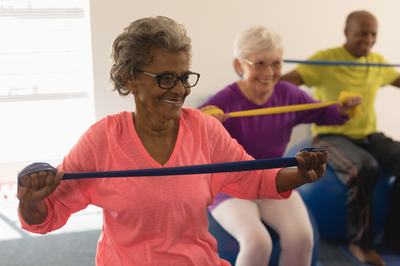
A well rounded fitness program should include walking, strength training, balance exercises, and flexibility work. Simple exercises such as chair stands, wall pushups, resistance band exercises, and heel raises can help rebuild strength safely.
If you are unsure where to begin, working with a certified senior fitness professional can provide personalized guidance based on your health, goals, and current fitness level.
Ready to Rebuild Your Strength?
If you're noticing muscle loss after age 60, you don't have to face it alone. ElderFIT connects older adults with their certified senior fitness trainers who provide personalized, one-on-one training in the comfort of your home.
ElderFIT trainers will create a safe exercise program tailored to your goals, fitness level, and any health conditions, helping you build strength, improve balance, increase mobility, and maintain the independence to enjoy the activities you love.
Related Articles