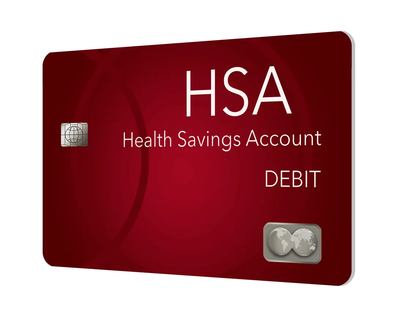
This update allows our senior customers new payment options to pay for ElderFIT trainers that can help them address a wide variety of health and wellness needs, including, but not limited to:
- Fall prevention and mobility training
- Strength training
- Post-surgery and injury rehabilitation
- Strength training for pre-surgery preparation
- Chronic illness management
This popular form of payment for healthcare and related services removes a major barrier to staying active, independent, and healthy – all without increasing out-of-pocket costs.
Why Using Healthcare Debit Cards To Help Seniors with Fitness Matters
Many seniors want to stay active. Many families of seniors want to help their aging parents get fitness help. The cost of training is often a major obstacle. By allowing Medicare Flex Card, HSA, and FSA payments, ElderFIT helps families:
- Use pre-tax healthcare dollars toward fitness
- Reduce monthly out-of-pocket expenses
- Invest in preventive care, not just reactive care
- Support mobility, balance, and fall prevention
- Make in-home training more accessible
Fitness needs to be at the center of a senior’s health and longevity strategy. An active senior will avoid preventable injuries, stay in peak condition despite pre-existing health conditions, and remain active and independent as long as possible.
When Can a Healthcare Debit Card Pay for In-Home Senior Fitness Help?
Many Medicare Flex Card and HSA and FSA plans allow fitness-related services when exercise is connected to health outcomes and is considered a medical necessity by a senior’s physician. Here are examples of how ElderFIT fitness can be considered a necessary health-related cost:
- Fall prevention and balance training
- Post-rehabilitation or post-surgery recovery
- Arthritis, joint pain, and mobility support
- Diabetes, heart health, and weight management
- Doctor-recommended physical activity
Coverage varies by plan. ElderFIT’s services are aligned with how many providers define medically supported fitness.
A Note About the Letter of Medical Necessity (LMN)
In many cases, Medicare Flex Card and HSA and FSA providers require a Letter of Medical Necessity (LMN) from a physician in order to approve fitness-related services.
This letter helps your plan understand that:
- In-home training is part of a medical or preventive care plan
- Fitness supports a specific health goal
- The service goes beyond general fitness
To help you understand what this typically looks like, ElderFIT provides a sample LMN for reference only.
Download Sample Letter of Medical Necessity (For Example Only)
This sample is intended to show what plans often require — it is not a form to submit. You must have one completed by your doctor on their own letterhead.
This allows families and caregivers to better prepare when speaking with a physician and avoid delays in benefit approval.
How ElderFIT Makes Fitness For Older Adults Easy
ElderFIT simplifies the process of helping older adults with in-home fitness by providing:
- Certified, vetted in-home personal trainers
- Claim-friendly service descriptions
- Downloadable invoices and receipts
- Support documentation for reimbursements
- A sample LMN to guide doctor conversations
Our goal is to remove confusion and help seniors improve their health and wellness so that they can stay safe and independent at home longer.
By accepting Flex Card and FSA payments, ElderFIT continues breaking down barriers to paying for safe, in-home fitness for the elderly.