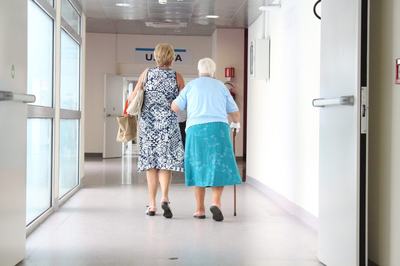
In most cases, exercise after hospital discharge for seniors is not just safe. It's one of the most important steps an older adult can take to recover fully and avoid going back.
Why Hospitalization Weakens Seniors So Quickly
A hospital stay is harder on an older body than most families expect.
Research published through the National Institutes of Health found that functional decline can begin in elderly patients within just two days of hospitalization. More than 30% of older adults experience meaningful physical deconditioning after an acute hospital stay.
This happens because seniors spend most of a hospital stay in bed, eating less, and moving very little. Muscle mass and strength can drop sharply in just a few days.
When a senior comes home from the hospital, they are often weaker than when they went in. This happens even if the original reason for admission had nothing to do with their muscles or mobility.
What Happens When Seniors Don't Move After Discharge
Inactivity after hospital discharge has real consequences for seniors.
A recent gerontology study found that seniors who took fewer steps per day after leaving the hospital had significantly higher 30-day readmission rates. That means exercise after hospital discharge for seniors isn't just helpful, it has a pretty direct impact on the chances of going back.
Seniors who remain sedentary after discharge risk continued muscle loss, increased fall risk, slower recovery, and growing dependence on family members for basic daily tasks. Many also lose confidence in their own ability to move safely at home.
When Can a Senior Start Exercising After Being Discharged?
Every senior's situation is different.
The timeline depends on why the senior was hospitalized, what procedures were performed, and what the physician recommends. Physician clearance is always the essential first step before beginning any exercise program after a hospital stay.
Once cleared, most seniors can begin gentle, structured movement fairly quickly. This doesn't mean intense workouts. It means short supported walks, seated strengthening, balance work, and light resistance movements tailored to their specific condition.
The goal in the early weeks is rebuilding function, not performance.
Why Seniors Need Professional Guidance After Discharge
Many families try to manage post-discharge exercise on their own.
The problem is that the wrong exercise can set recovery back. Overexertion is a real risk. So is performing movements that conflict with surgical recovery, cardiovascular limitations, or medication side effects.
A certified personal trainer who specializes in older adults can design a program that accounts for all of this. They assess where the senior stands physically, identify limitations, and build a safe progressive plan.
In-home personal training is a particularly good fit here. A trainer comes directly to the senior's home, which is where most of the recovery happens. There's no driving, no gym navigation, no unnecessary risk.
For adult children managing a parent's care from a distance, it also provides real peace of mind. Someone qualified is showing up, assessing the senior, and reporting on their progress.
How ElderFIT Helps Seniors After a Hospital Stay
ElderFIT connects seniors with certified personal trainers who come directly to their homes, including those recovering from hospitalization.
After physician clearance, an ElderFIT trainer conducts a thorough initial evaluation. This covers mobility, range of motion, health history, and any limitations from the hospital stay. The trainer then builds a personalized plan designed to rebuild strength, restore balance, and help the senior feel confident in their own home again.
Family members on the ElderFIT platform can receive trainer session notes after each visit, so an adult child in another city stays informed without an extra phone call.
Families who use in-home personal training for seniors after hospital discharge aren't waiting for the next health crisis. They're choosing recovery over decline. Strength over setback.
Find a trainer near you at ElderFIT.app →
Related Articles from the ElderFIT Blog
- How to Get a Senior Parent to Start Exercising
- How Fitness Training Can Stop Knee Pain and Reduce the Need for Canes and Walkers
- How to Help Our Senior Parents Age in Place
- Why Families Hire Personal Trainers for Parents in Assisted Living
Sources: NIH — Reducing Functional Decline in Hospitalized Elderly | NIH — Post-Discharge Walking Activity and 30-Day Readmission in Older Adults