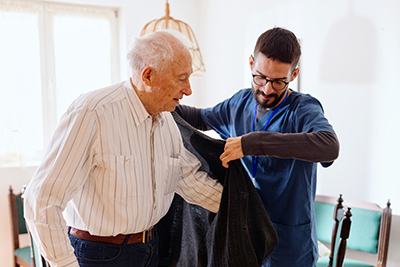
An adult child may coordinate appointments and medications, a spouse may help with daily activities, and a professional caregiver may assist with meals, bathing, mobility, or companionship.
With so much attention focused on meeting immediate needs, one important part of care can get overlooked: helping older adults maintain or rebuild the functional strength needed to complete activities they used to do every day.
Appropriate exercise is not about recreational activity. For most older adults, a consistent, individualized fitness routine will help improve their functional strength, balance, mobility, physical function, and even aspects of cognitive health.
Those gains may make everyday activities more manageable and support quality of life. Results vary according to each person's health, medical conditions, starting ability, and consistency. Fitness should complement—not replace—medical care, rehabilitation when needed, and other caregiving support.
The Need for Senior Fitness & Caregiving Support *
51 million Americans care for adults age 50 and older.
Nearly one in five U.S. adults provides this type of family care, according to AARP and the National Alliance for Caregiving in 2026.
26 hours per week average time spent caregiving.
Family caregivers of adults age 50 and older reported providing an average of 26 hours of care each week. Source: AARP and NAC
$35 per hour national median cost of non-medical in-home care in 2025.
At 44 hours per week, that rate equates to approximately $80,080 annually. Actual rates and schedules vary. Source: CareScout Cost of Care Survey
$1.01 trillion estimated annual economic value of family caregiving.
AARP estimated that family caregivers provided 49.5 billion hours of care to adults in 2024, valued at $1.01 trillion if paid at market rates. Source: AARP's 2026 report
These numbers illustrate the scale of family caregiving and the financial commitment that paid in-home support can require.
They also raise an important question: How can families help their aging parents maintain or even regain abilities needed for daily domestic life?
Exercise is an overlooked resource for families considering caregiving for their aging family members. Their logic that a senior parent is too old and frail to exercise is not only faulty and out of date, but it also prolongs a stereotype about what we as humans can be and do as we age.
For virtually every senior, the introduction of a customized exercise plan and coaching can and will result in better overall physical function, greater mobility, and more independence in everyday activities. The key is setting the right goals and expectations for the senior fitness journey.
1. Help Your Parents Regain Functional Strength
When older adults become less active, accomplishing daily activities such as doing the laundry, cooking and cleaning, walking with friends and playing with grandchildren can become challenging. Age-related muscle loss, sometimes called sarcopenia, can make these activities harder over time. The growing use of GLP-1 for weight management has also contributed to muscle loss, especially if the senior does not combine the weight loss prescription with properly designed and executed exercise.
The good news is that older adults can rebuild strength, even when they are starting from a lower level of fitness. Standing up from a chair, getting out of bed, climbing steps, or walking from one room to another can all become far easier with the right kind of strength training guidance.
A senior fitness routine should involve a mix of exercises using resistance bands or light weights, sit-to-stands modified to the senior’s physical capability, balance-related movements to ensure a senior is comfortable on their feet, and more. A trainer can adjust the exercises as strength and confidence grow.
The goal isn't necessarily to lift heavier weights or complete an intense workout. It's to work toward functional improvements that matter to the person.
How this can help caregivers: Parents who improve their ability to easily stand from a chair or improve other everyday movements more confidently may need less hands-on assistance. Their overall quality of life can improve dramatically over time, leading to growing self reliance.
Progress varies, and some people will likely continue to need support. Nevertheless, rebuilding functional strength through exercise should be an integral part of every caregiving plan, no matter how modest the goals.
2. Improve Mobility, Balance, and Confidence at Home
A fear of falling erodes a senior’s confidence in their ability to do even basic tasks around the home. It is the top reason why older adults pull back from life and adopt an increasingly sedentary existence that ultimately can ultimately accelerate the onset of a variety of health issues. It’s a downward spiral many seniors face alone: Less movement leads to further loss of strength, mobility and health.
The good news is that balance exercises, functional movement practice, and strength training can help older adults work on the physical skills needed for everyday movement. Depending on their abilities, exercises may include supported standing, controlled weight shifts, or practicing safe transitions between sitting and standing.
The Centers for Disease Control recommends that adults age 65 and older include balance activities and muscle-strengthening exercises in their weekly routines. Regular physical activity can support physical function and reduce the risk of falls. Read the CDC's guidance for older adults.
Exercise is only one part of fall prevention. Families should also consider home hazards, appropriate footwear, vision changes, medication side effects, and professional assessment when needed.
How this can help caregivers: Greater confidence with movement will make some daily activities easier to manage. For an older adult, that can mean feeling more comfortable walking to the kitchen or moving around familiar rooms. The objective is safer, more confident movement. The goal should be less about eliminating the need for a walker, caregiver, or other support but instead to improve a senior’s confidence in their ability to live a meaningful life.
3. Support Physical Health and Chronic Disease Management
Many older adults live with chronic health conditions, including arthritis, heart disease, and type 2 diabetes. These conditions can affect energy, mobility, comfort, and the ability to participate in everyday activities.
Appropriate physical activity can complement medical care. The CDC identifies benefits for older adults that include better heart health, improved bone health, better sleep, and support for independent living. Regular activity can also help reduce the risk of developing type 2 diabetes and other chronic diseases. Explore the CDC's overview of physical activity benefits.
For someone already living with a chronic condition, the right routine depends on their health and abilities. Some people may benefit from gentle, low-impact activity, while others may be able to undertake more challenging strength or aerobic exercises. A healthcare professional can help identify limitations and determine whether additional supervision is appropriate.
Nutrition matters, too. Balanced dietary choices, adequate protein and overall energy intake, and appropriate hydration can support an older adult's ability to participate in exercise. Seniors experiencing frailty, poor appetite, or unintended weight loss may need individualized guidance from a clinician or registered dietitian.
How this can help caregivers: Supporting physical activity and nutrition can be part of a broader effort to manage an older adult's health and daily function. Exercise is not a substitute for medication, prescribed treatment, or clinical monitoring. It is another tool that may help some people feel and function better within their individual circumstances.
4. Support Cognitive Health, Well-Being, and Quality of Life
The benefits of physical activity extend beyond muscles and mobility. Research summarized by the CDC identifies associations between regular activity and better brain health, including a reduced risk of developing dementia. Physical activity can also improve sleep quality and reduce feelings of anxiety. These are meaningful potential benefits, although exercise cannot guarantee that someone will avoid cognitive decline or reverse dementia. Source: CDC.
Quality of life also includes the activities an older adult values. It may mean being able to take a short walk, participate in a family gathering, work in the garden, or feel more comfortable moving around the house.
When exercise is adapted to the person's interests and abilities, it can become more than another task on the calendar. It can be an opportunity to work toward a personally meaningful goal and experience progress.
How this can help caregivers: Caregiving is not only about ensuring that meals are prepared and appointments are attended. It is also about supporting the person's overall well-being, preferences, and participation in daily life. Fitness can contribute to that broader goal.
5. Make Exercise a Consistent Part of the Weekly Routine
One challenge for families is not necessarily understanding that exercise can help. It's finding a way to make it happen consistently.
Caregiving schedules can already include medication reminders, medical appointments, transportation, meal preparation, personal care, and household tasks. Exercise may be postponed because it feels less urgent than those immediate responsibilities.
A practical solution is to make physical activity a planned part of the week. Ask your parent what they want to work toward, choose an achievable starting point, and schedule sessions at times that suit their energy levels and other commitments.
The CDC's general recommendations for adults age 65 and older include:
- At least 150 minutes of moderate-intensity aerobic activity each week, or an equivalent amount of vigorous activity.
- Muscle-strengthening activities on at least two days each week.
- Activities that improve balance.
These are general guidelines, not a requirement that every older adult begin at this level. The CDC advises people to be as active as their abilities and conditions allow. A person who is frail, recovering from illness, or living with a complex medical condition may need a modified plan and professional guidance.
How this can help caregivers: Putting exercise on the calendar gives it a defined place in the care routine. It can also help family members coordinate responsibilities rather than relying on someone to remember to encourage activity each day.
6. Give Family Caregivers and Professional Care Providers More Support
Family members who provide the bulk of caregiving support in America. As many as two-thirds of caregivers are female with responsibilities beyond caring for an aging parent. They may be working, raising children, managing their own households, and coordinating medical or financial decisions. Even with the best intentions, planning and supervising an exercise routine can be difficult.
Professional in-home caregivers also play an important role in helping our aging family members remain in their homes. Depending on their responsibilities and training, they may assist with bathing, dressing, meals, mobility, companionship, or household tasks. However, few have the experience and qualifications to develop and supervise a personalized fitness program.
A qualified senior fitness trainer takes responsibility for the exercise component, tailoring activities to the older adult's goals, current abilities, and progress. With the older adult's permission, relevant observations can be shared with family members or other members of the care team when appropriate.
For example, a trainer may notice that a client is becoming more comfortable with a sit-to-stand exercise or needs a modification for a particular movement. Such observations can help families understand progress, while medical concerns should be referred to the appropriate healthcare professional.
How this can help caregivers: Fitness becomes a coordinated service rather than another job a family member must perform. If the older adult improves their ability to complete certain daily tasks, the amount of help needed for those tasks may change. That outcome is possible, not guaranteed, and should not be treated as a promise of lower caregiving costs.
7. Add In-Home Fitness to a Wraparound Care Plan
A wraparound care plan brings together the types of support an older adult needs rather than relying on one person or service to do everything. Depending on the individual, it may include family caregivers, paid in-home assistance, healthcare professionals, physical or occupational therapy, nutrition support, social activities, and home-safety improvements.
A fitness care plan for seniors can complement these services by making exercise a regular, personalized part of the overall routine. It should reflect the person's daily movement goals such as a desire to get out of chairs on their own or move around the home without a walker. Or the goals can be more ambitious such as doing the laundry, grocery shopping, or walking the dog around the block.
In-home senior fitness can be especially convenient for families who want to avoid introducing the idea of a gym to someone who has mobility issues or zero desire to visit gyms. Sessions can take place in an older adult's home, where a trainer can work on suitable exercises and functional goals in a familiar environment.
ElderFIT connects older adults and their families with certified fitness trainers experienced in working with seniors, including in-home training options. It gives families a way to explore personalized fitness support without taking on the responsibility of designing every workout themselves.
Learn more about ElderFIT's in-home senior fitness trainers and consider whether a vetted, certified fitness professional could complement the services your family already uses.
How to Start a Senior Fitness Care Plan
You don't have to reorganize the entire caregiving routine at once. Start with a few practical steps:
- Ask your parent what matters most. They may want to feel steadier walking around the house, get up from a chair more easily, play with the grandchildren or return to a favorite activity.
- Review relevant health concerns. Discuss recent falls, pain, chronic conditions, and exercise limitations with their healthcare professional when appropriate.
- Consult a fitness professional about a realistic starting point. The right routine should match the person's current abilities, not an idealized fitness goal.
- Schedule the activity. Find a time that fits the older adult's energy levels and the family's existing support schedule.
- Consider hiring professional guidance. A qualified senior fitness trainer may help when your parent needs individualized instruction, supervision, or support with consistency.
The most useful goals are often practical and personal. Rather than measuring success only by workout duration or the amount of weight lifted, look at whether the older adult is making progress toward activities they want to do.
When Looking for Caregiving, Think Fitness Care
Family members and professional caregivers provide essential support to millions of older adults. Their work helps seniors manage daily needs, remain connected to their communities, and continue living at home when possible.
Fitness can absolutely complement that support by helping many older adults maintain or regain functional strength, mobility, balance, and confidence. The degree of improvement will vary, but even progress toward one meaningful daily activity can be valuable.
Exercise will not remove every care need, and it should never replace medical care, rehabilitation, nutrition support, or appropriate hands-on assistance. But when it is customized and made consistent, fitness can help an older adult maintain their current abilities, participate in daily life, and support their overall quality of life.
If you're coordinating care for an aging parent, consider a regular fitness care plan that can wraparound the other support services already in place. Visit ElderFIT senior fitness trainers to learn more about in-home senior fitness and how it may fit into your family's care plan.
[*These are national estimates from the years identified. The $1.01 trillion figure represents the estimated economic value of family caregiving, not an amount families directly pay. The $80,080 annual figure is a calculation based on 44 hours of care per week for 52 weeks.]