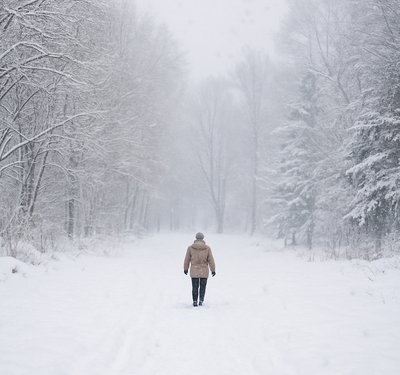
When temperatures drop, fall risk rises for older adults. Snow, ice, bulky jackets, holiday clutter, and shorter daylight hours all combine to create the most dangerous season of the year. That’s why families and caregivers are searching for practical, effective senior fall prevention tips and clear guidance on how to prevent senior falls before winter hazards strike.
Below is a winter-focused guide designed to keep seniors moving safely, both indoors and outdoors, throughout the coldest months of the year.
Why Winter Causes More Falls for Seniors
One of the most overlooked senior fall prevention tips is understanding the seasonal reasons fall risk skyrockets. Winter brings slippery sidewalks, frozen driveways, and poorly maintained parking lots that make simple errands hazardous. Shorter days means seniors struggle to see clumps of snow or patches of ice along sidewalks and driveways. Even seniors with good balance struggle when ice forms overnight or when snow is only partially cleared.
Cold weather also affects the body. Muscles stiffen, joints become less mobile, and reaction time slows. Many older adults wear heavy jackets and thick winter boots, which restrict movement and alter balance. It’s yet another reason to focus on how to prevent senior falls well before the first snowfall.
Indoors, winter creates its own obstacles. Shorter days also lead to dim homes and dark hallways. Holiday decorations, extension cords, Christmas trees, and gifts around the floor add even more trip hazards. One of the easiest senior fall prevention tips is simply decluttering and creating safe walking paths, especially in high-traffic areas.
Fall-Proofing the Indoor and Outdoor Environment
A large part of how to prevent senior falls is making sure an older parent’s home and surrounding areas are as safe as possible. Start with the outdoors:
- Use salt or sand on sidewalks and driveways
- Install non-slip mats and sturdy handrails
- Avoid unplowed or uneven walking surfaces
Inside the home, practical senior fall prevention tips include:
- Improving lighting with motion-sensor bulbs
- Removing loose rugs, cords, and clutter
- Keeping walkways clear of decorations and furniture
- Ensuring footwear provides proper traction
Even small changes can dramatically reduce risk, especially for older adults who already have balance issues.
Exercise Builds Strength for Stability
Environmental safety is only half the solution. A crucial component of how to prevent senior falls is building strength, flexibility, and balance through targeted training. Cold temperatures naturally increase stiffness, so winter is the best time for seniors to stay active with guided support.
Fitness trainers with fall-prevention experience—like those found on ElderFIT—provide personalized in-home sessions. An experienced trainer will focus on joint mobility, ankle stability, core strength, and safe movement patterns to help your parents feel confident on their feet. These sessions are also an ideal time to practice real-world senior fall prevention tips, such as navigating stairs, turning safely, or learning how to get up from the ground.
Why ElderFIT’s In-Home Trainers Reduce Winter Fall Risks
ElderFIT personal trainers for seniors don’t just coach movement. They’ll apply proven strategies for how to prevent senior falls right inside their home. Because they come to where an aging parent actually lives, they can spot hazards a clinic or gym may never see. They also teach practical senior fall prevention tips tailored to each person’s mobility, health conditions, and daily routines.
Winter falls are preventable. With better awareness, a safer environment, and skilled in-home training support, seniors can stay confident, mobile, and independent all season long.