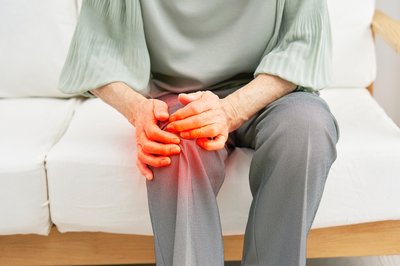
Among adults aged 65 and older, knee pain is widespread, and many eventually rely on mobility aids like canes or walkers. According to an NHAT study back in 2011, more than 24% of adults age 65+ reported using a mobility device like a cane or walker in the past month. That means 8.5 million seniors reported using mobility devices. Fast forward to today, and that number is likely to increase to almost 15 million seniors given that there are now around 61 million Americans over the age of 65.
Knee pain often stems from osteoarthritis — the breakdown of cartilage in a joint — which affects a significant portion of older adults. In the United States, nearly one in three older adults show radiographic evidence of knee osteoarthritis, and many report pain that limits daily movement.
The good news? Knee pain doesn’t have to mean long-term reliance on walkers or canes. With targeted fitness training, people can build muscle, enhance knee stability, and improve balance. The result is often less knee pain, better overall balance, and less reliance on canes and walkers.
Understanding Knee Pain and Its Consequences
Knee pain in older adults is usually the result of joint wear and tear, inflammation, or conditions like osteoarthritis and tendinopathy. The knee is one of the most commonly affected joints, and pain can significantly reduce mobility and independence.
When knees hurt, people tend to walk less, move slower, and rely on devices like canes or walkers to feel safe. While these tools can provide temporary support, they don’t address the root causes of pain and weakness. In fact, reliance on walking aids without strengthening the body can lead to muscle atrophy, poorer balance, and increased fall risk.
Pain-related inactivity also contributes to other health problems, including weight gain, cardiovascular decline, and worsening balance — all of which can make daily life harder.
How Tailored Fitness Training Helps Ease Knee Pain
Resistance training and structured movement programs help older adults regain strength and function. Strengthening the muscles that support the knee — especially the quadriceps, hamstrings, and glutes — improves joint stability and reduces pressure on the bones and cartilage.
Targeted fitness programs also improve balance, reaction time, and flexibility — all important factors in preventing falls and further injury. Clinical evidence shows that regular, controlled movement helps reduce pain and improve physical function in people with knee osteoarthritis and chronic knee pain.
A fitness routine that builds strength and increases range of motion can decrease pain in as little as 8 to 12 weeks when done consistently. While every body is unique, Structured Senior Fitness Programs focused on strength and mobility often help seniors walk more confidently and with less discomfort.
Why Professional Guidance Matters
Generic exercise plans often miss the mark for older adults. Bodies change with age, and what used to work at 30 may no longer be safe or effective at 70. This is where an in-home personal trainer for seniors becomes invaluable.
Experienced trainers assess mobility limitations, posture, strength imbalances, and balance issues before crafting a customized plan. They guide clients through progressions that prioritize safety and build confidence. Adults who train with professionals report fewer movement-related fears, stronger muscle support, and more independence.
Training at home removes common barriers like transportation, crowded gyms, and unfamiliar equipment — making it easier for seniors to stay consistent. Personalized strength and balance work also reduces reliance on pain medications and can slow osteoarthritis progression when done with care.
For more on how personal training supports aging adults, check out Should I Hire a Personal Trainer for My Aging Parents?.
Safer Movement Approaches for Knee Health
Effective knee training for older adults focuses on:
- Low-impact strength training: Builds muscle without stressing joints.
- Balance exercises: Reduces fall risk and increases stability.
- Mobility drills: Improves range of motion and function.
- Progressive resistance: Builds strength in a controlled, incremental way.
Examples may include seated or standing squats, gentle bridging, resistance band leg work, and controlled stepping patterns. Trainers often combine these with balance and coordination drills to ensure functional improvements that translate into real-world activities.
Real Results: What Progress Can Look Like
With consistent training:
- Daily pain often decreases.
- Muscles supporting the knee become stronger.
- Walking confidence improves.
- Dependence on canes and walkers may lessen.
- Overall mobility and quality of life improve.
Movement can be powerful, not just for pain relief but for restoring independence and confidence in daily life.
Take the First Step
Knee pain doesn’t have to define aging. With the right combination of strength, balance, and mobility training — especially guided by an in-home personal trainer for seniors — many adults regain function and move with less pain and fear.
If you’re ready to help yourself or a loved one break free from knee pain, reduce reliance on mobility aids, and enjoy more confident movement at home, explore personalized training with ElderFIT.
A customized fitness plan could be the key to moving better, feeling stronger, and living more fully every day.
Visit ElderFIT and discover how a personalized, in-home strength program can help reduce knee pain and improve mobility.