First let’s acknowledge the overall gravity of the topic. A serious fall can change a senior's life in an instant, even shortening it by years in extreme cases.
But what many families fail to realize is that it’s about more than the injury and resulting physical and emotional toll that it takes.
Senior falls can also create a host of logistical challenges requiring expenses that families can’t begin to anticipate, from emergency medical care and rehabilitation to walkers, wheelchairs, caregivers, and changes to the home.
For families trying to help an older parent remain independent, understanding the cost to modify a senior's home after a fall is an important part of planning for aging in place.
The CDC reports that more than one in four adults age 65 and older falls each year, and older adults experience about 3 million emergency department visits and roughly 1 million hospitalizations because of falls annually.
What Is the Cost to Modify a Senior's Home After a Fall?
The cost to modify a senior's home after a fall can range from a few hundred dollars for simple safety improvements to tens of thousands of dollars for major accessibility renovations.
AARP estimates that basic modifications can cost hundreds or a few thousand dollars, while comprehensively modifying a 2,000 square foot home that was not designed for accessibility can potentially cost $150,000 to $180,000.
That does not mean every senior will need anything close to that amount. It illustrates how quickly the cost to modify a senior's home after a fall can increase when extensive accessibility work becomes necessary.
Cost of Most Common Home Modifications for Seniors
The cost to modify a senior's home after a fall depends heavily on what the senior needs and how the home is designed. Here are some common modifications and approximate national cost ranges:
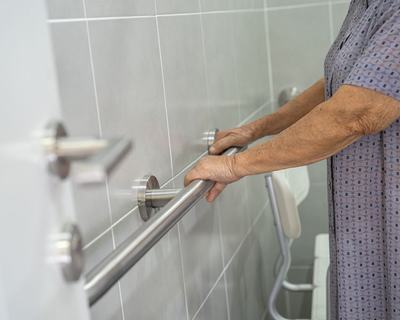
Grab bars: Approximately $100 to $400 installed per bar.
Improved lighting: Approximately $200 to $2,000, depending on the number of fixtures and whether electrical work is required.
Second stair handrail: Approximately $150 to $400.
Doorway widening: Approximately $600 to $3,500 per doorway.
Entry ramp: Approximately $1,000 to $8,000, depending on the length and construction.
Accessible shower: Approximately $6,000 to $12,000 or more.
Major accessible bathroom renovation: Approximately $10,000 to $25,000 or more.
Kitchen renovation: Approximately $250 for minor adjustments to over $25,000 for major structural remodel.
AARP reports that adding grab bars can cost around $650 for a basic project and widening a doorway can cost around $3,500.
These are planning estimates, not contractor quotes. Local labor rates, permits, materials and the home's existing structure can significantly change the final price.
Why a Walker or Wheelchair Can Change the Equation
The cost to modify a senior's home after a fall can increase substantially when an injury affects mobility.
A senior who previously walked independently may temporarily or permanently need a walker, wheelchair or cane. Suddenly, doorways, stairs, bathroom thresholds and narrow hallways that were never a problem can become obstacles.
A bathroom may need to accommodate a wheelchair or walker. Appliances in the kitchen may need to be lowered or moved, requiring major structural changes to counter tops. A bedroom might need to move to the first floor. A ramp may become necessary at the entrance.
Medicare may cover certain medically necessary durable medical equipment, including walkers and wheelchairs, for eligible beneficiaries. However, coverage requirements and out of pocket expenses vary. Families should check directly with Medicare and their healthcare provider.
Fall Prevention Awareness Starts Before a Fall
The best time to think about fall prevention awareness isn't after someone has already been injured.
The CDC recommends several strategies for reducing fall risk, including talking with a healthcare provider about fall risk, reviewing medications, getting vision checked, making the home safer and performing strength and balance exercises.
That means families should think about senior fall prevention as a combination of environmental safety and physical preparation.
A safer bathroom is valuable. So are stronger legs.
Better lighting is valuable. So is better balance.
Grab bars can provide support. So can having the strength and coordination to move confidently around the home.
Exercise Should Be Part of Senior Fall Prevention
One of the most important aspects of senior fall prevention training is maintaining physical capability.
The CDC recommends that adults 65 and older include aerobic activity, muscle strengthening and balance activities each week. Its guidance calls for at least 150 minutes of moderate aerobic activity and muscle strengthening activities at least two days per week, along with balance activities.
Strength training can help seniors maintain the muscle needed for everyday activities such as standing from a chair, climbing stairs and walking. Balance training can help improve stability. Cardiovascular exercise can improve endurance, making it easier to perform daily activities without becoming excessively fatigued.
These activities are an important part of fall prevention awareness for seniors and a broader strategy for maintaining senior independence. Ignoring them is easy and, unfortunately, often a contributing factor to avoidable falls.
The Cost of Fall Prevention Is Worth Considering
It is impossible to put a guaranteed dollar value on fall prevention. Exercise does not eliminate the possibility of falling, and not every fall can be prevented. But the cost to modify a senior's home after a fall demonstrates why prevention deserves attention.
Ben Franklin may not have had fall prevention in mind when he uttered his now-famous quote, but it applies nonetheless: “An ounce of prevention is worth a pound of cure.”
A few hundred dollars spent on appropriate safety improvements may be worthwhile. So may investing time and resources into maintaining strength, balance and mobility before those abilities decline.
The CDC specifically notes that physical activity can help older adults maintain independence longer and that multicomponent exercise can improve physical function and decrease the risk of falls and fall related injury. It’s also well known that a senior who is in good shape has a far better chance of recovering more fully and quickly from an injury compared to one who is out of shape.
For many families, the goal isn't simply preventing a medical event. It is helping Mom or Dad remain confident, mobile and independent in the home they love.
Don't Wait for a Fall to Start Senior Fitness Training
The cost to modify a senior's home after a fall can be significant, but the financial consequences are only part of the concern. A fall can also result in pain, fear, reduced activity and a loss of independence.
That is why fall prevention awareness should include more than removing hazards from the home. Seniors should also work on the physical abilities that help them navigate that home safely.
ElderFIT connects older adults with certified fitness professionals who provide personalized in home fitness for seniors. Trainers can help seniors work on strength, balance, mobility and functional fitness in the familiar surroundings of their own homes.
A safer home and a stronger senior can work together as part of a comprehensive approach to senior fall prevention.
Don't wait for a fall to start working on strength and balance. Find an ElderFIT trainer and take a proactive step toward staying mobile, confident and independent at home.