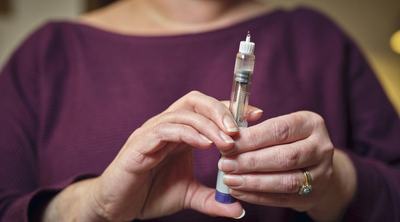
These medications can be very effective. They help reduce appetite, improve blood sugar control, and support meaningful weight loss. For many seniors, this can lead to better mobility, less joint pain, and improved quality of life.
But there is an important part of the story that has gotten overlooked.
Weight loss is not just about losing fat. It can also involve losing muscle. For older adults, that can create unexpected challenges if it is not addressed properly.
How GLP-1 Medications Work
GLP-1 medications mimic a natural hormone in the body that helps regulate appetite and blood sugar.
They work by:
- Increasing feelings of fullness
- Slowing how quickly food leaves the stomach
- Reducing overall calorie intake
This combination makes it easier to lose weight without constant hunger.
For seniors, these benefits can be especially meaningful. Improved blood sugar control and reduced body weight can lower the risk of chronic conditions and support longer term health.
The Hidden Risk: Loss of Muscle Mass GLP-!
When people lose weight, they’re not just losing fat. A portion of that weight often comes from lean body mass, which includes muscle.
Research suggests that a significant percentage of weight lost on GLP-1 medications can come from lean mass. While this varies by individual, it is enough to raise concern, especially for older adults.
Muscle plays a key role in:
- Strength
- Balance
- Metabolism
- Daily function
Losing too much muscle can reduce these abilities, even as the number on the scale improves.
Why Muscle Loss Matters More After 60
As we age, we naturally lose muscle. After age 30, we will lose between 3-8% of lean muscle mass per decade of age.
At the same time, the body becomes less responsive to strength building. This is sometimes called anabolic resistance.
This means that older adults:
- Lose muscle more easily
- Have a harder time rebuilding it
- Feel the effects of muscle loss more quickly
So when weight loss is added into the picture, the impact can be greater.
A small loss of muscle in a younger person may not be noticeable. In a senior, it can affect how they move, how they feel, and how independent they remain.
Functional Changes You Can Feel
Muscle loss is not just a number on a report. It shows up in daily life.
Some common changes include:
- Difficulty standing up from a chair
- Reduced walking speed
- Trouble climbing stairs
- Lower balance and stability
- Increased risk of falls
Energy levels may also drop. When people feel weaker, they tend to move less. That can create a cycle where muscle loss continues.
In some cases, seniors may lose weight but feel less capable than before. This can be frustrating and confusing.
The GLP-1 and Low Activity Cycle
Without the right support, a pattern can develop.
- Appetite decreases.
- Food intake drops, including protein.
- Energy levels go down.
- Daily movement becomes more limited.
- Muscle loss increases.
Over time, this can lead to a body that is lighter, but also weaker.
This is not the goal of healthy aging.
GLP-1 Fitness Coaching for Seniors
This is where specialized support becomes important.
GLP-1 fitness coaching for seniors focuses on protecting strength, mobility, and independence during weight loss.
It is not about pushing harder workouts. It is about using the right kind of training at the right time.
A well designed program may include:
- Strength training two to three times per week
- Balance and stability exercises
- Functional movements such as sitting, standing, and stepping
- Gentle progression based on energy levels
- Guidance around consistency and recovery
The goal is simple. Help the body hold on to muscle while weight is being reduced.
Can Seniors Exercise While on GLP-1?
Yes. It’s important for seniors to exercise while taking GLP-1. It’s recommended that they work out 2-3 times per week with an emphasis on resistance training to maintain their muscle mass as much as possible.
Exercise helps:
- Preserve muscle mass
- Support metabolism
- Maintain bone strength
- Improve balance and coordination
The key is to adjust the intensity and volume based on how the person feels. Some days energy may be lower. A flexible approach works best.
Preventing Muscle Loss on Semaglutide
Many people ask how to prevent muscle loss while using medications like semaglutide.
Two key factors stand out in the research:
- Strength training
- Adequate protein intake
Fitness professionals, like ElderFIT’s in-home personal trainers for seniors, can safely guide the exercise side of this equation. They can also reinforce general nutrition awareness without providing medical nutrition therapy.
Even simple strength routines can make a meaningful difference when done consistently.
Why Personal Trainers for Senior Play an Important Role
Healthcare providers prescribe the medication. They monitor health markers and manage treatment.
But most do not have time to guide movement, strength, and daily physical function in detail.
That is where trained fitness professionals can help.
They can:
- Assess strength and mobility
- Build safe and effective exercise plans
- Track progress over time
- Support consistency and confidence
For seniors, this support can be the difference between feeling better and feeling weaker during weight loss.
A New Approach to Healthy Aging
GLP-1 medications are a powerful tool. They can improve health outcomes and support meaningful weight loss.
At the same time, they change how the body functions during that process.
For older adults, protecting muscle and movement is essential.
GLP-1 fitness coaching for seniors offers a practical solution. It helps ensure that weight loss supports not just appearance, but also strength, balance, and independence.
Schedule an ElderFIT GLP-1 Fitness Consultation
If you or a loved one are using a GLP-1 medication, it is worth thinking beyond the scale.
Ask simple questions:
- Am I staying strong?
- Am I moving well?
- Do I feel stable and confident in daily life?
If the answer is uncertain, adding structured fitness support can help.
Reach out to a local ElderFIT certified personal trainer for seniors for a GLP-1 fitness consultation. They will come to your home, talk about your fitness goals and current health status, then work closely with you or a senior parent to ensure that muscle mass is maintained as much as possible during treatment.
After all, healthy aging is not just about losing weight. It is about maintaining the ability to live well, move freely, and stay independent.