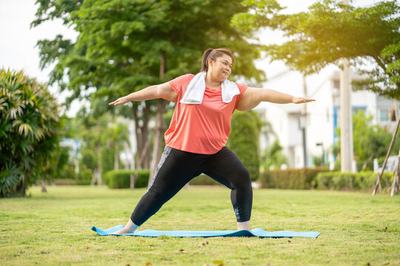
GLP 1 medications such as Ozempic, Wegovy, Zepbound, and Mounjaro have become increasingly popular among older adults for managing Type 2 diabetes and supporting weight loss. These medications have proven to be highly effective at helping seniors manage their weight and improve their quality of life.
But these ‘miracle weight loss’ drugs can, and do, come at a cost. It’s that cost that has many people asking: should seniors exercise on GLP 1?
The answer is YES. In fact, exercise may be one of the most important things older adults can do while taking these medications.
One reason is muscle preservation. According to research published by the National Institutes of Health, adults naturally lose muscle mass as they age, and some studies suggest that 25 to 40 percent of weight lost with GLP 1 medications may come from lean body mass if steps are not taken to preserve muscle. For seniors, that can affect strength, balance, mobility, and independence.
Here are ten reasons seniors should make exercise part of their GLP 1 journey.
1. Exercise Helps Preserve Muscle
The biggest reason to exercise while taking a GLP 1 medication is to protect your muscles.
Weight loss is often viewed as a positive outcome, but losing muscle along with body fat can make everyday tasks more difficult. Strong muscles help you get out of a chair, carry groceries, climb stairs, and enjoy hobbies that keep you active.
Can you build muscle after age 70? Absolutely. Research continues to show that older adults can gain strength and improve physical function through regular resistance training.
2. Strength Training Helps Maintain Independence
Maintaining independence is one of the greatest priorities for healthy aging.
Simple activities like walking through the grocery store, gardening, traveling, or playing with grandchildren all require strength. When muscles become weaker, those activities often become more difficult.
Strength training two or three times each week can help seniors continue living active and independent lives.
3. Improve Balance and Reduce Fall Risk
According to the CDC, falls are the leading cause of injury among older adults.
Exercises that strengthen the legs, hips, and core improve stability and confidence while walking. Better muscle strength also helps your body react more quickly if you stumble.
For many seniors, improving balance is every bit as important as losing weight.
4. Support Stronger Bones
Many older adults also live with osteopenia or osteoporosis. If you’re not sure about the difference between the two, you can read more here.
Resistance exercises place healthy stress on bones, helping maintain bone density while strengthening the muscles that support the joints. This combination can improve posture, mobility, and overall function.
5. Better Manage Blood Sugar
GLP 1 medications work well together when combined with consistent, programmatic exercise.
Muscles use glucose for energy, making physical activity an effective way to improve blood sugar control. Regular exercise may also help improve insulin sensitivity and overall metabolic health.
For seniors living with Type 2 diabetes, combining medication with exercise often produces better long term results than relying on medication alone.
6. Improve Heart Health
Should seniors exercise on GLP 1 if they have heart disease?
In many cases they can, but only after discussing their plans with their physician. Regular physical activity is frequently recommended because it can improve cardiovascular fitness, lower blood pressure, and increase endurance.
Every exercise program should be tailored to the individual's medical history and current health.
7. Increase Energy and Mobility
Some people notice fatigue or reduced energy when they first begin taking GLP 1 medications.
Ironically, regular movement often helps improve energy levels over time. Walking, resistance exercises, and flexibility training all help improve circulation, endurance, and mobility.
Staying active also helps prevent the cycle of becoming less active, losing more muscle, and feeling even more tired.
8. Support Brain Health
Exercise benefits far more than muscles and bones.
Research suggests that regular physical activity supports brain health, mood, sleep quality, and cognitive function. Studies have also shown encouraging benefits for older adults living with Parkinson's disease and some forms of cognitive decline when exercise becomes part of an overall care plan.
9. Build Healthy Habits That Last
GLP 1 medications are valuable tools, but they work best when combined with healthy daily habits.
Walking, strength training, eating enough protein, getting quality sleep, and staying socially engaged all contribute to healthier aging.
Rather than thinking of exercise as temporary, think of it as an investment in your future independence.
10. Achieve Better Long Term Results
Remember that the ultimate goal is not simply losing weight.
The goal is losing excess body fat while preserving the muscle needed to stay active, confident, and independent for years to come.
For most seniors, strength training combined with walking and balance exercises provides the best opportunity for long term success.
How to Start Exercising Safely
If you have not exercised in several years, start slowly.
Before beginning a new exercise program, especially if you have heart disease, high blood pressure, diabetes, arthritis, osteoporosis, Parkinson's disease, dementia, or another chronic health condition, speak with your physician. Your healthcare provider can help determine whether you need any exercise restrictions or modifications.
Many older adults benefit from beginning with short walking sessions, light resistance exercises, and balance training before gradually increasing intensity.
Why Professional Guidance Makes a Difference
Many seniors are unsure where to begin:
- How much weight should you lift?
- Is walking enough?
- What exercises are safest if you have arthritis?
- Should you avoid certain movements after surgery?
Working with a qualified fitness professional removes much of the uncertainty. An experienced trainer can design a personalized exercise program that matches your health history, current abilities, and long term goals while helping you progress safely.
ElderFIT Makes Exercising at Home Easier
If you're taking a GLP 1 medication and want to lose weight without sacrificing strength, ElderFIT connects older adults with certified in-home personal trainer for seniors specialists who understand the unique challenges of healthy aging.
Every ElderFIT trainer is experienced in helping seniors improve strength, balance, mobility, and confidence while working around chronic health conditions and physical limitations.
Whether your goal is preserving muscle, improving balance, or simply feeling stronger each week, ElderFIT can help you exercise safely in the comfort of your own home with a program designed specifically for you.
Losing weight is only part of the journey. Protecting your strength, preserving your muscle, and maintaining your independence are what truly lead to healthier aging. When seniors combine GLP 1 medications with regular exercise, they give themselves the best opportunity to enjoy the benefits of weight loss while continuing to live the active life they deserve.